



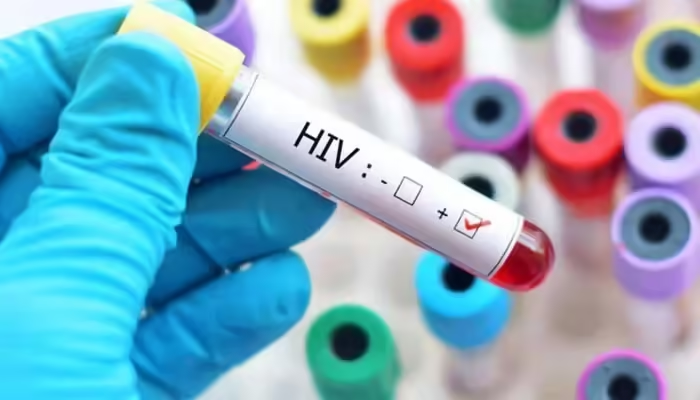
HIV outbreak in Karachi leaves 84 patients infected after Syringe Misuse at Walika Hospital
Karachi’s public healthcare system just took a massive hit. Eighty-four patients ended up with HIV after staff at Walika Hospital reused contaminated syringes—a mistake that’s left people furious and scared about the state of medical care in the city.
Here’s what happened: According to ARY News, patients came in for all sorts of reasons last year, never suspecting that something as basic as a syringe could put their lives at risk. The hospital staff injected people with used syringes, and nobody caught it for months. Dozens of people got exposed—not just to HIV, but to other dangerous infections too.
These weren’t patients coming in for anything serious. Most just needed routine care—maybe a fever, a checkup, or something minor. They trusted the hospital. That trust is gone now. By the time hospital officials realized what happened, the damage was done. They scrambled to track down every patient treated during the time in question.
Tests confirmed the worst: 84 people had contracted HIV. Families are now reeling, trying to figure out what this means for their future.
Government officials didn’t waste time. Federal Health Minister Mustafa Kamal stepped in, confirming the outbreak and admitting that unsafe syringe practices caused it. He sent the Director General of Health to look into the mess. The government tracked down everyone affected, tested them, and moved them to other hospitals for treatment and monitoring. Officials say they’re putting strict new measures in place to make sure this kind of disaster doesn’t happen again.
But this whole episode points to a much bigger problem. Reusing syringes is supposed to be unthinkable—every doctor and nurse knows it’s dangerous and against the rules. Still, it happened, which means there’s a deeper issue with oversight and resource management in public hospitals.
It’s tough for everyday people. Public hospitals in Pakistan serve thousands, especially folks who can’t afford private care. For them, safe treatment isn’t a luxury—it’s the bare minimum. When hospitals cut corners on basics like sterilizing equipment, the results can be catastrophic.
Experts are clear: HIV from contaminated syringes is 100% preventable. It comes down to using single-use equipment, throwing out used syringes properly, and making sure staff stick to safety protocols. Regular audits and decent training can keep everyone safe.
The fallout isn’t just medical. Imagine the shock these patients felt, getting an HIV diagnosis out of nowhere. Now they face a lifetime of medication, stigma, and uncertainty. The government has a huge job ahead—caring for these patients and convincing the public that state hospitals are still safe. They’ll need real accountability, open investigations, and some serious policy changes to win back trust.
This whole HIV outbreak at Walika Hospital is a wake-up call. One slip-up with basic procedures and you’ve got a full-blown health crisis. Pakistan’s healthcare system can’t afford another mistake like this. People are watching, hoping that this tragedy finally brings the reforms and safety standards that have been missing for too long.