



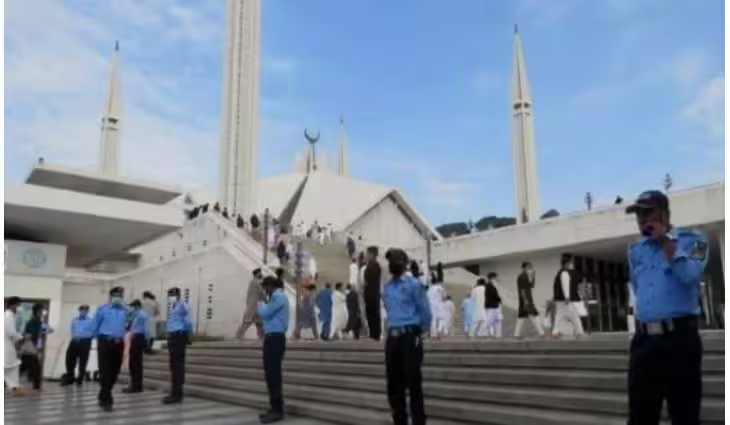
Islamabad Police introduce strict Mosque Security directives, mandating armed guards
Islamabad’s ramping up security at mosques and imambargahs, rolling out a new set of rules to keep worshippers safe—especially during busy prayer times. The Islamabad Mosque Security Directives focus on making sure these sacred spaces stay protected and peaceful for everyone.
The biggest change? Every mosque and imambargah now needs an armed security guard on site while people gather to pray. The police want guards armed and visible, not just to react quickly if something goes wrong, but to send a clear message: security is tight, and trouble isn’t welcome. This is especially important on Fridays, when crowds are largest. The hope is that people feel safer, knowing there’s someone watching out for them.
Police aren’t stopping there. Now, everyone coming in or out has to use a single, designated entrance. All other doors and gates stay locked during prayer. Why? It’s much easier to keep track of who’s coming and going, spot anything suspicious, and manage crowds without chaos. Mosque committees are teaming up with local police stations to make sure these new access rules actually work.
Parking’s getting a shake-up too. No more cars or bikes parked right outside mosque gates. The area around entrances and exits needs to stay clear. This isn’t just about cutting down on traffic jams—it’s about giving security teams a clear view and making sure emergency vehicles can get in quickly if something happens. Worshippers are being asked to park farther away and do their part for everyone’s safety.
Street vendors and beggars, who’ve always been a part of the scene outside mosques, are also being moved on. The new rules totally ban selling prayer caps or anything else outside the gates. Authorities say big crowds and unregulated activity make it harder to spot threats or keep things under control. So, mosque administrations have to strictly enforce this ban and work with the police to keep perimeters clear.
If anything looks off—someone acting strangely, an abandoned bag, anything unusual—mosque leaders are expected to alert the police right away. Fast reporting helps prevent incidents before they start. And these rules aren’t just suggestions; police are making it clear that not following them could land people in legal trouble. Everyone’s being called to take shared responsibility for safety.
All of this comes down to one big idea: keeping worship safe is a team effort. Islamabad Police are focusing on prevention, not just reacting when something happens. With armed guards, tighter entry controls, parking rules, and a crackdown on unauthorized activity, they’re building a stronger safety net around the city’s mosques and imambargahs.
But real security depends on everyone playing their part—worshippers, mosque leaders, and law enforcement all working together. That’s how these places stay what they’re meant to be: peaceful, welcoming sanctuaries for the whole community.