



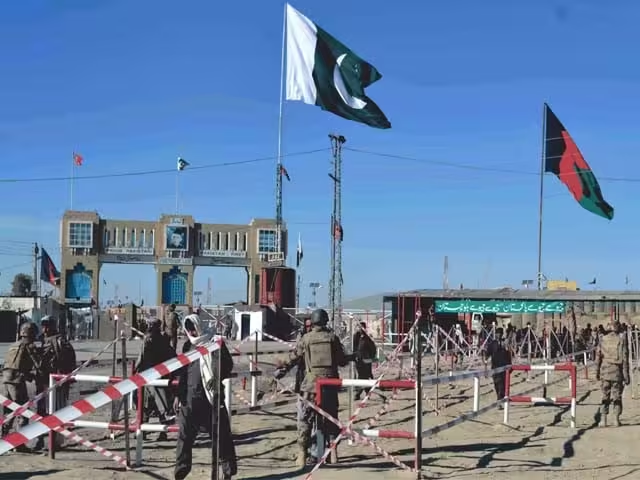
Pakistan attacks Afghanistan in intelligence-based operations targeting TTP and Daesh camps
Pakistan launched intelligence-based attacks on militant camps in Afghanistan, targeting what officials described as hideouts for TTP and Daesh fighters. This move stands out as one of Pakistan’s boldest cross-border operations in recent months, and it says a lot about Islamabad’s frustration with the growing threat from militants who operate just across the border.
According to Pakistan’s Ministry of Information, these strikes hit seven camps said to be run by the banned Tehrik-i-Taliban Pakistan (TTP) and groups linked to Islamic State–Khorasan, or Daesh. Authorities said they acted only after confirming solid intelligence about high-value terrorist leaders and their networks hiding in those spots.
Officials pointed to a clear pattern: attacks in places like Islamabad’s Imam Bargah, Bajaur, and Bannu have been traced back to handlers based in Afghanistan. Pakistan says this shows a coordinated set-up, with orders being handed down from across the border.
Security sources called the operation “precise and limited”—not meant to pick a fight with Afghanistan, but to take out the infrastructure that’s fueling these attacks. Islamabad’s goal: stop imminent threats and keep more violence from spilling into Pakistan.
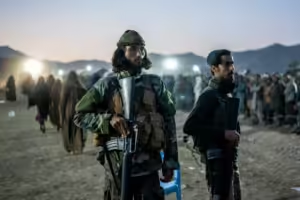
This isn’t a new concern for Pakistan. Ever since the Afghan Taliban returned to power in 2021, Islamabad has complained about a spike in TTP activity. Officials say they’ve shared plenty of intelligence with Afghan leaders and have pushed them to crack down on these groups, but so far, they haven’t seen enough action.
On the diplomatic front, Pakistan is pushing hard for the Afghan government to stick to the Doha Agreement. That 2020 deal, signed with the United States, included a promise that Afghan soil wouldn’t be used by terrorists to threaten other countries.
Pakistan argues they’ve talked, warned, and shared evidence, but decisive steps against TTP and Daesh just haven’t happened. That, they say, has forced Pakistan to act on its own to protect itself.
In its latest statement, Pakistan also called on the international community to step up the pressure on Kabul—arguing that outside influence could finally push Afghanistan to rein in the militants.
What’s clear is that these strikes mark a shift in Pakistan’s counterterrorism playbook. Islamabad is showing it’s ready to go it alone if it feels threatened. The government insists these attacks are defensive, not an attempt to escalate, but analysts warn that any cross-border strike carries risks for regional stability.
Tensions like these aren’t new for Pakistan and Afghanistan, and the security balance in South Asia is always complicated. Still, Pakistani leaders say their main aim is lasting peace, which, in their view, starts with wiping out militant safe havens.
Now, the ball is in Afghanistan’s court. The world is watching to see if Afghan authorities will finally clamp down on extremist groups. For Pakistan, stopping cross-border terrorism isn’t up for debate.
Diplomatic talks are still going, but there’s a lot at stake. The next few weeks will show whether both sides can move toward cooperation—or if this just drives them further apart.