



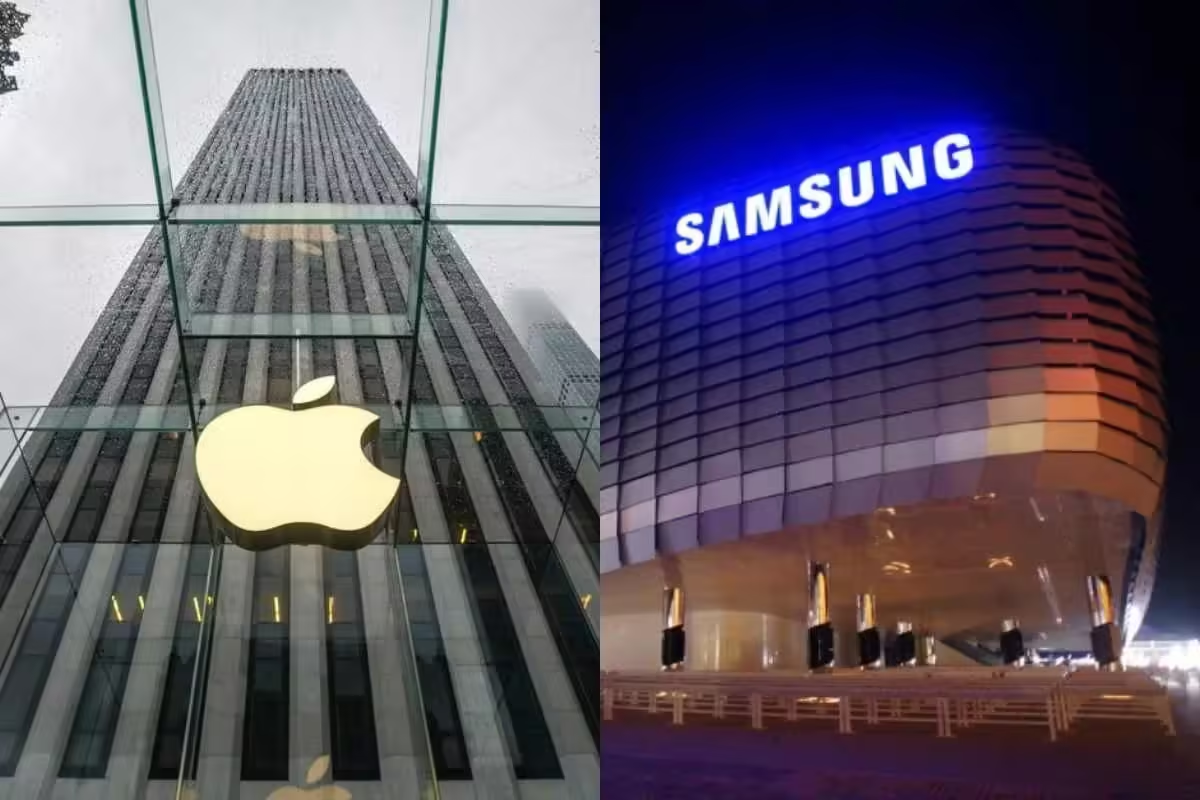
Samsung replaced Apple as the Largest Smartphone Brand in Technology Industry
A radical change of power has been experienced in the global smartphone market whereby Samsung replaced Apple as the largest smartphone brand in the world yet again. This trend can be considered an indication of the speed at which the technology industry is changing and how demand and pricing models and regional needs can change the market leadership within a matter of days.
With the level of competition escalating, the rivalry between Samsung and Apple is only going to affect the future of the smartphones, through innovation, access and changing economic realities.
Free Market: The Miracle of Free Choice and Accessibility
It is not by chance that Samsung is back on its feet. The South Korean technology titan has consistently been keen on providing a broad range of smartphone products, both at high-end flagships and low-end products catering to price-sensitive buyers.
This was a diversified strategy that enabled Samsung to reach users in different income groups and geographical locations. Galaxy A and M series of Samsung made a good reception in emerging markets, where brand prestige is less important than affordability, availability, and features. These machines had competitive features and at affordable costs thus being a favorite among millions of users.
Flagship Strength Meets Emerging market Growth
Although affordability was a key factor, Samsung was not simply successful because of its low-price smartphones only. The Galaxy S and foldable gadgets that form the backbone of the company have continued to thrive in the developed markets which further solidifies the position of the firm as an innovator and a design powerhouse.
According to analysts, the constant demand of its flagships and steady sales in Latin America, Africa, and Asia were the best momentum that Samsung needed to reclaim its market leadership. Such a strike between new ideas and inclusion turned out to be a key strength.
The Strengths and Weaknesses of the Premium Strategy of Apple
Apple, in its turn, is a giant, especially in the luxury smartphone market. Its iPhones remain highly loyal, luxurious branding as well as integrated into the Apple ecosystem.
Nonetheless, Apple has limited its product line with the strategy of premium pricing which has affected its total market share. Consumers in the areas where economic pressure or currency fluctuations are a problem are shifting to devices that provide value but does not have to be very expensive. This trend has naturally been biased towards those manufacturers who have wider portfolios such as Samsung.
However, the loss of the first position did not weaken the profitability and impact of Apple, which once again proves that leadership in the market is not only the matter of quantity.
The reasons why Smartphone Leadership continues to change
According to industry pundits, dominations in the smartphone industry are seldom lasting. Economic climate, consumer behavior, and technological advances are all factors in changing rankings.
During the recession, consumers will focus on lower prices and functionality more than brand name. The dynamic nature of Samsung to react to these changes enabled it to attract larger audience at the opportune time.
Spending over a trillion dollars a year, the government alone, it is clear that the impacts of innovation cannot be undone and we must move forward.
This change gives a wakeup call about how the technology world is all about being in a constant state of flux. Although both Samsung and Apple are still strong in brand loyalty, it is still innovation, timing, and accessibility that will keep the two competitors in the lead in the race.
The increase in competition is the best news to the consumers since they are the ones who will gain most by being provided with better features, competitive prices and faster technological innovations.
The fact that Samsung has beaten Apple shows the dynamism and uncertainty that has existed in the smartphone market all over the world. There is much to be done as both companies stretch the limits in their respective styles, and the struggle to supremacy is by no means exhausted. What is definite is that the future leaders of the tech world would be characterized by adaptability, and not reputation.
To keep up with the current news in technology and update of the global market, visit Pakistan Updates.