



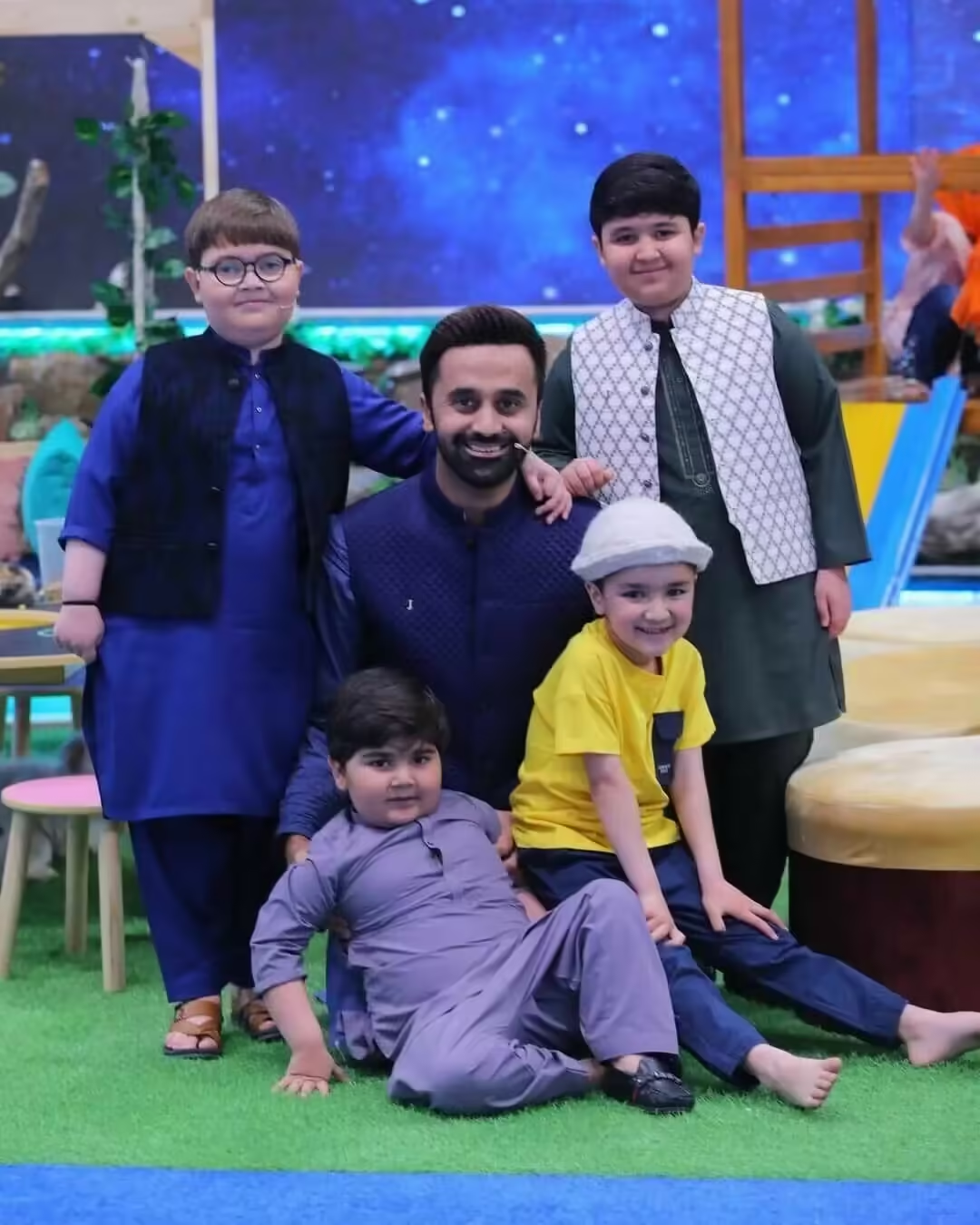
Waseem Badami and a panel of ulema discussed the Islamic perspective on trolling
Waseem Badami didn’t shy away from tough topics during his live Ramzan show. This time, he went straight for something people deal with everyday — trolling online. He sat down with a group of respected ulema, and together, they tackled the rise of mockery, harsh criticism, and outright abuse on social media.
Ramzan isn’t just about skipping food or drink. It’s about controlling your words, cleaning up your character, and showing real compassion. So, when Badami brought up trolling, it hit home for a lot of viewers. The panel didn’t sugarcoat things. They laid out the Islamic perspective on trolling loud and clear.
Changing the Name Doesn’t Change the Harm
The ulema made it simple: Call it “sarcasm,” call it “roasting,” call it a “joke” — if you’re humiliating someone, using foul language, or just spreading negativity, Islam says no. It doesn’t matter if you’re face-to-face or hiding behind a screen. Words can hurt, and in Islam, mockery and verbal abuse are serious problems. Giving this behavior a new label doesn’t make it better. If your words tear someone down or spark conflict, you’re going against what Islam teaches.
This wasn’t just a technical debate. It was about the core values of Islam — ethics, accountability, and basic human dignity.
Islam Calls for Peace, Kindness, and Compassion
The panel kept coming back to one point: Islam is about peace. It’s about kindness. The Prophet Muhammad (PBUH) handled even his worst critics with patience and gentleness. Meeting negativity with more negativity? That’s not the Islamic way.
And in today’s world, where a single comment can blow up across the internet in seconds, Muslims have an even bigger responsibility. Sure, social media might feel anonymous, but nothing escapes Allah’s notice. Every word, typed or spoken, counts.
The ulema reminded viewers that Islamic values don’t stop when you go online. What you say and how you act — that’s where your faith really shows. The Islamic perspective on trolling is clear: Good character isn’t old-fashioned, and technology doesn’t give anyone a free pass.
Social Media Isn’t a Free-for-All
On social media, the line between private and public pretty much disappears. One mean comment can mess someone up for years. Trolling often tries to hide behind “just joking,” but the pain is real.
The panel made another important point: Islam encourages you to give advice, but not by shaming someone in public. If someone needs correcting, do it gently and in private. Humiliating people in front of others just spreads hate, not understanding.
Protecting your tongue is a major Islamic teaching. In 2024, that means protecting your keyboard, too.
A Message That Sticks
Waseem Badami’s Ramzan segment wasn’t just a reminder to fast and pray. It was a call to fix our behavior — online and off. The Islamic perspective on trolling? It’s simple: What you do online is part of your moral record.
As social media keeps reshaping how we talk and think, we need to remember that dignity matters. Real faith shines through in how you treat people, whether they’re sitting across from you or just a username on your screen.
This Ramzan, the message couldn’t be clearer: Faith isn’t just rituals. It’s in every word you speak, every comment you leave, and every person you interact with — online or offline.