



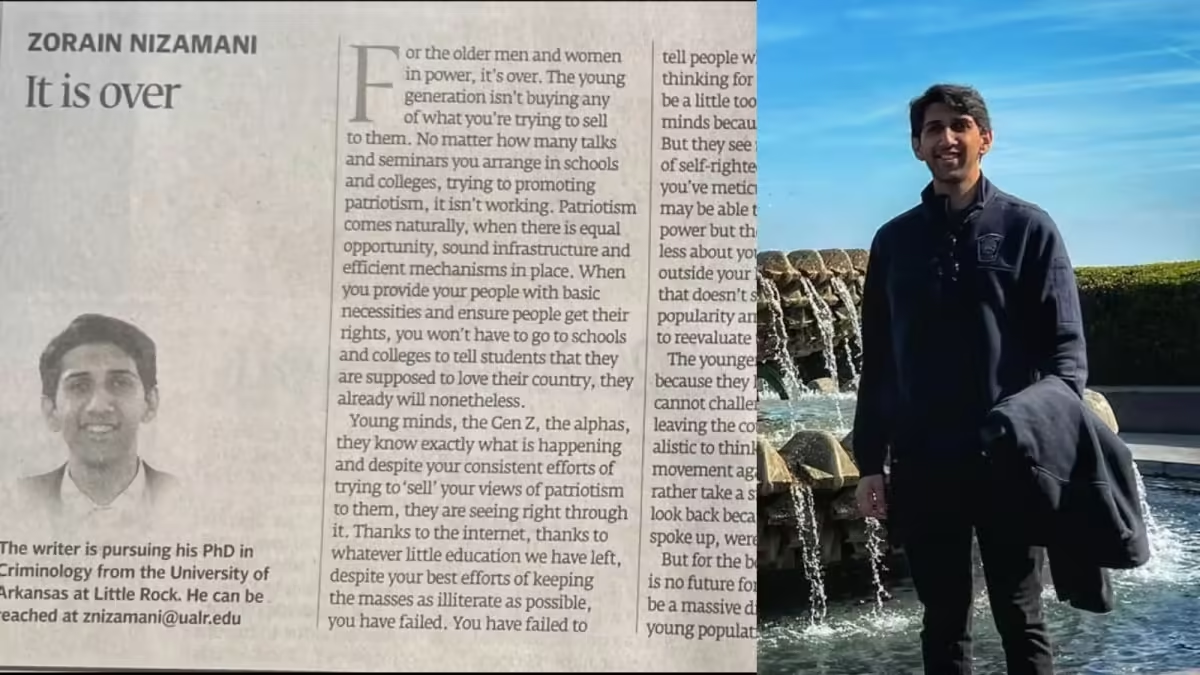
Zorain Nizamani said Public Awareness against more serious socio political issues is affected by cultural events!
Once noted by the classical Roman poet Juvenal, people rarely oppose authority when they are nourished and amused. His words resonate with amazing relevance centuries later. In Pakistan’s current dialogue, this idea has reemerged via a often shared quote ascribed to Zorain Nizamani, pointing out how distractions might soothe public consciousness while underlying problems persist.
The message is blunt and unsettling: keep the people busy but never enlightened enough to question the structure surrounding them. Though citizens feel free, admired, and amused, they remain apart from significant involvement in decision-making—a situation founded in illusion rather than force.
Festivals as momentary getaways
In Pakistan, cultural celebrations such Basant have long had emotional value. They stand for color, happiness, and a shared break from difficulty. Reintroduced or highlighted at strategic times, such events usually have two uses. They seem to restore legacy and boost public mood. They serve as momentary diversions below, drawing attention away from ongoing financial hardship, political difficulties, and social injustice.
Pakistan is not alone in this pattern. Grand spectacles and public celebrations have been used by kings and governments across centuries to keep calm. The deliberate timing and exaggeration of these events help to make the modern story interesting.
National Emotion and Sports Spectacles
Few things bring Pakistanis together like cricket. More than just a competition, the Pakistan Super League (PSL) is a national celebration filled with pride, identity, and emotional relief. Stadiums fill, screens glow, and debates turn from inflation and unemployment to strike rates and team rivalry.
Public conversation usually becomes more muted when important sporting events drive the national mood. Accountability is postponed and criticism turns into jubilation. Shared comfort the show helps to strengthen the idea that government can come from happiness itself.
The Phantasm of Liberty
The concept that people should never feel like slaves is among the most potent words in the changing quote. Contemporary control seldom resembles chains. Choice—what to watch, what to celebrate, what to debate online—seems to be it. The need to question power diminishes as people feel they are engaged freely.
Central to the notion of bread and circus is this illusion of freedom. Entertainment replaces engagement. Consumption takes the place of contribution. This dynamism eventually changes public expectations, therefore reducing demand for openness and change.
Media Boost and Public Storyline
Media is essential for maintaining this loop. Continuous distraction comes from wall-to-wall coverage of events, matches, and celebrity events. Serious challenges still show up, but they fight against louder, more brilliant tales meant to rapidly grab attention.
The result is not ignorance, but tiredness. People get overwhelmed and pick comfort above conflict. In such surroundings, silence is voluntarily embraced rather than imposed.
Contemplation of a Timeless Warning
Juvenal’s remark was warning as well as cynical. Stagnation results from societies trading awareness for entertainment. The ongoing discussion triggered by Zorain Nizamani’s comments reminds us that entertainment, while beneficial, should never take the place of civil awareness.
Pakistan’s future depends not just on celebration but also on balance—where joy coexists with duty and where people stay involved beyond the spectacle. Though bread and circuses may calm the present, awareness defines the future.
Stay in touch with Pakistan Updates for additional points of view and national knowledge.