



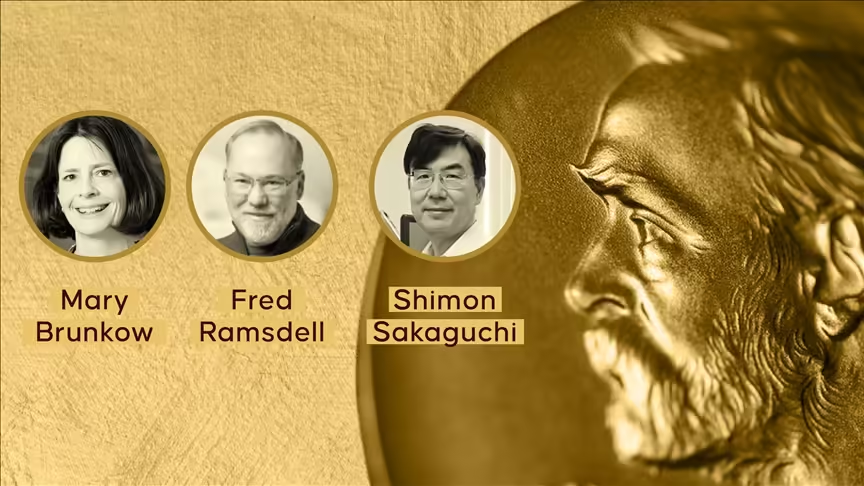
A Nobel Prize Win Changes How We See the Immune System to cure autoimmune diseases
Everyone’s talking about the Nobel Prize that was just given out for some seriously cool research. It answers something that doctors have been scratching their heads about:
Why does our immune system sometimes go rogue and attack our own bodies?
This discovery explains immune tolerance— the thing that teaches our immune system to tell the difference between bad stuff, like viruses, and our own healthy cells. When this goes wrong, it can cause autoimmune diseases, which mess with tons of people around the globe.
This Nobel Prize isn’t just a pat on the back for years of hard work. It also means we might start treating autoimmune conditions in a whole new way.
Immune Tolerance: The Body’s Way of Keeping the Peace
Your immune system is supposed to be tough. It attacks viruses and bacteria like a champ. But it also needs to know when to back off.
Scientists figured out the secret pathways that control immune tolerance. These pathways make sure your immune cells don’t go crazy and start attacking healthy tissue. When things go haywire, the immune system can attack your organs, joints, or the cells that make insulin. That’s when you get stuff like lupus, rheumatoid arthritis, and type 1 diabetes.
Basically, this discovery tells us how our bodies usually keep things calm inside and why sometimes that calm turns into chaos.
Autoimmune Diseases: Why They’re Such a Pain to Treat
For ages, the main way to treat autoimmune problems has been to suppress the entire immune system. It can slow things down, but it also makes you more likely to get infections and other problems down the road.
The Nobel Prize research says there’s a better way. Instead of just turning off the immune system, scientists now get how to retrain immune cells. This could bring things back into balance without weakening your defenses.
It’s a big change in how we think about medicine. Instead of just stopping the immune system, we can now guide it to do the right thing.
New, Super-Specific Treatments Coming Soon
Experts think this is going to speed up the process of making treatments that target only the immune pathways that are going bonkers and causing self-attack.
By fixing immune tolerance, these future treatments could:
- Lower bad inflammation without ruining your immune system
- Cause fewer side effects compared to those long-term immune suppressing drugs.
- Help people with autoimmune diseases live better lives
These advancements could change how we deal with autoimmune issues. Instead of just managing the disease for life, we might actually be able to bring long-term stability to the immune system.
Nobel Prize Shows How Powerful—and Risky—the Immune System is
The Nobel Committee is basically saying: Hey, the immune system is super complex! It can save your life, but it can also mess things up big time if it doesn’t have its internal controls in check.
By getting how immune tolerance works on a tiny, molecular level, scientists have learned stuff that goes way beyond just autoimmune problems. This new info could impact how we treat cancer with immunotherapy, how organ transplants work, and research into inflammatory diseases.
Autoimmune Diseases: Maybe They Won’t Be So Bad in the Future
We might not have a cure right away, but this discovery is a huge deal. It gives us hope that we can one day control autoimmune diseases at their source, instead of just dealing with the symptoms.
As researchers keep building on this Nobel Prize-winning work, we’re getting closer to a future where the immune system isn’t a crazed enemy, but a well-behaved protector.
Check out Pakistan Updates for more science stuff, breakthroughs from around the world, and expert info that’s shaping the future of health.